MSME Registered with valid UDHYAM certificate. Startup India registered under DPIIT.
Practical Engineering Knowledge. Better Technical Decisions.
Explore technical insights, engineering guides and practical perspectives on energy efficiency, solar power, electrical systems and sustainable infrastructure.
At Nexurja Energy, we believe that better engineering decisions begin with reliable information, sound analysis and an understanding of real operating conditions. Our Insights section shares knowledge to help industries, building managers, solar project developers and institutions evaluate technical challenges and identify opportunities for improvement.
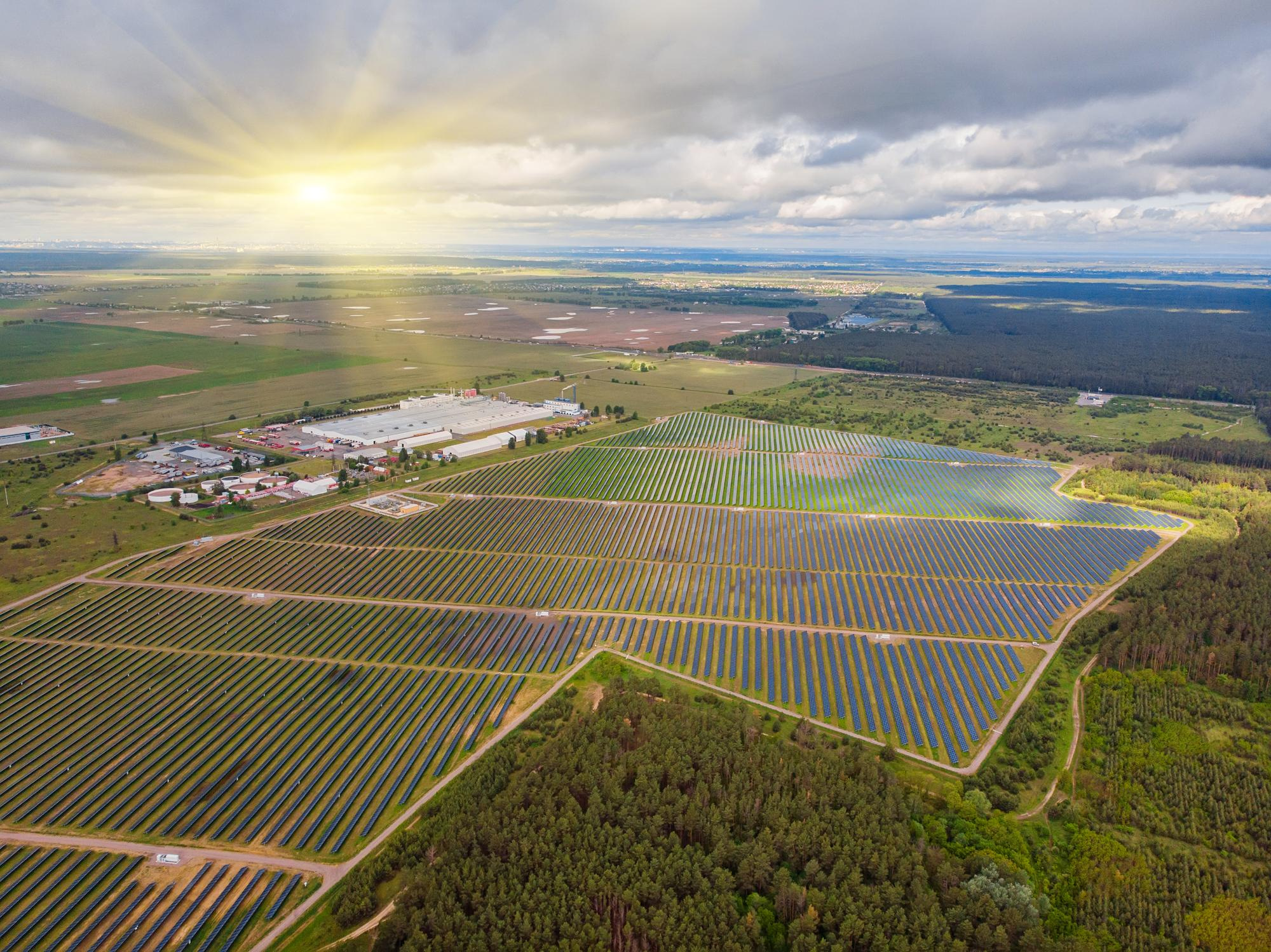

Understand Energy Consumption. Identify Losses. Improve Performance.
Practical guidance on industrial energy audits, equipment performance and energy-saving opportunities across energy-intensive facilities.
Topics include:

Beyond Installation: Engineering a Better-Performing Solar Plant.
Technical perspectives on solar plant design, commissioning, performance assessment and long-term asset performance.
Topics include:

Measure the Problem. Identify the Cause. Evaluate the Solution.
Insights into electrical-system performance, power quality, electrical losses and engineering-based diagnosis.
Topics include:
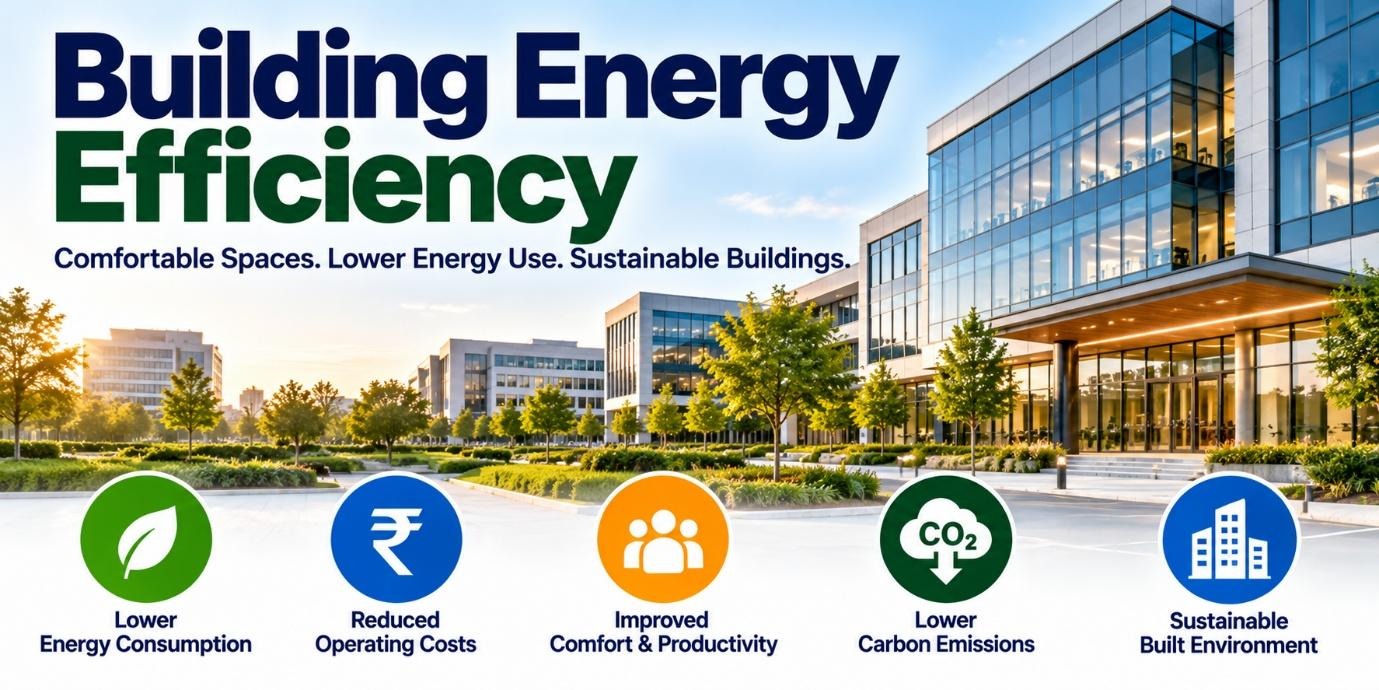
Make Buildings More Energy Efficient Through Measurement and Analysis.
Guidance for residential societies, commercial buildings, hotels and institutional facilities seeking to understand and improve energy performance.
Topics include:

See the Anomaly. Investigate the Cause. Support the Decision.
Practical explanations of infrared thermography and its role in identifying thermal anomalies in electrical, industrial, solar and building applications.
Topics include:
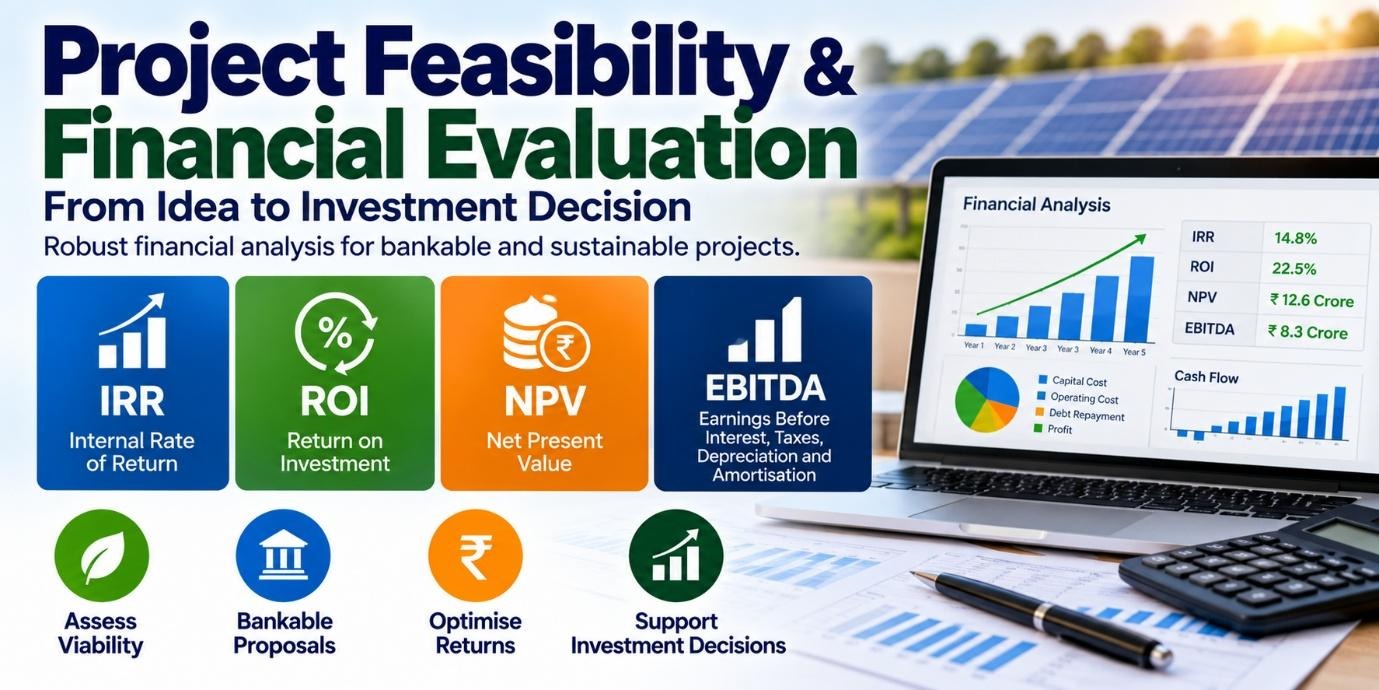
Technical Feasibility Must Translate into Investment Decisions.
Perspectives on evaluating energy and infrastructure projects through technical assessment, financial modelling and sensitivity analysis.
Topics include:
This section should highlight a small number of in-depth articles, practical guides or downloadable resources. The following are recommended launch topics; publish each only after its technical content has been prepared and reviewed.
A practical checklist covering design documents, PV modules, inverter configuration, DC strings, electrical installations, testing, commissioning records and outstanding technical issues.
A guide to interpreting power-analyser data, understanding harmonics and TDD, investigating possible causes, and evaluating mitigation options.
An overview of electricity-bill analysis, common-area loads, pumps, lighting, HVAC systems, savings estimation and investment prioritisation.
A practical explanation of survey prerequisites, suitable operating conditions, thermal-image quality, georeferencing, anomaly analysis and reporting.
A structured overview of technical documents, generation estimates, equipment condition, grid connectivity, project economics and due diligence.
Complex Engineering Concepts, Explained Practically
Explore short educational videos and presentations that explain engineering principles, technical measurements and energy-efficiency opportunities in accessible language.
Planned content themes include:
Engineering Observations. Practical Implications.
Real-world engineering assignments often reveal issues that cannot be understood from equipment specifications or electricity bills alone.
Through anonymised observations and approved case-based discussions, Nexurja Energy will share lessons on:
Client-confidential information will not be disclosed without appropriate permission.
Nexurja Energy’s technical perspective draws on the founder’s 32+ years of professional experience spanning engineering education, energy-efficiency programmes, renewable energy, electrical systems and technical programme leadership.
Our objective is to share practical, technically grounded knowledge that supports better decisions—not to promote one solution for every situation.
If an article raises a question about your facility, solar installation, electrical system or energy-saving investment, Nexurja Energy can help assess the issue within an agreed technical scope.
Describe the problem, share the relevant technical information and tell us what you want to evaluate.
Subscribe now to start your journey with renewable energy. Access expert solutions, reduce your carbon footprint, and save on energy costs today!
Error: Contact form not found.
Nexurja Energy & Consultancy Private Limited
Independent. Evidence-Based. Engineering-Led.
©2026 Design by design.cyberbells@gmail.com
Elite energy auditing, safety compliance, and engineering consultancy
backed by 32+ years of national-scale sector expertise.
Direct Phone: +91 99996 78369
Corporate Email: jsaujla@nexurjaenergy.com
Regional Footprint: NCR | Punjab | Haryana | Chandigarh | Rajasthan
©2026 Design by design.cyberbells@gmail.com