MSME Registered with valid UDHYAM certificate. Startup India registered under DPIIT.
Three Decades of Engineering Experience. Independent Technical Assessment. Practical Solutions.
From national energy-efficiency programmes to industrial power-quality investigations, building electrical assessments and solar project engineering, our experience spans multiple technologies, sectors and scales of implementation.
Nexurja Energy & Consultancy Private Limited brings together this engineering background and a measurement-led approach to help clients assess technical performance, identify improvement opportunities and make informed investment decisions.
32+ Years of Professional Experience | National Programme Leadership | Independent Engineering Assessment
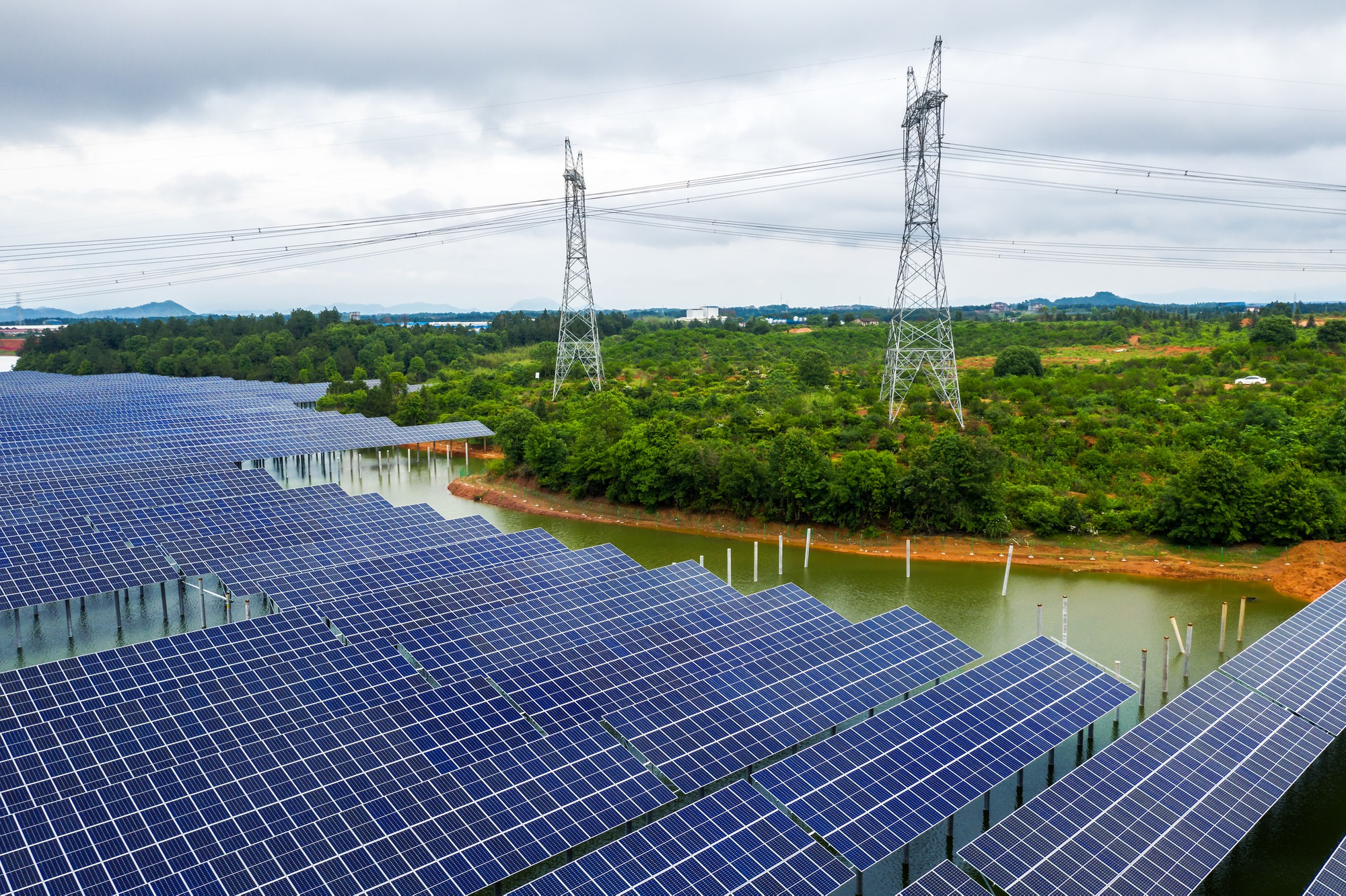
These assignments demonstrate Nexurja Energy’s current work in industrial electrical systems, building infrastructure and solar project engineering.
Client: Ajar Amar Steel Concast
Location: Doraha, Ludhiana, Punjab
Sector: Steel Manufacturing
The Challenge
The facility required investigation of excessive harmonic current distortion at the point of common coupling (PCC), alongside an assessment of major electrical loads.
Scope of Work
Key Finding
Historical power-quality records showed a maximum phase Total Demand Distortion (TDD) of 7.07%, above the 5% reference limit used in the assessment.
Engineering Outcome
The assessment identified the need for further furnace-system verification, simultaneous PCC measurements, harmonic impedance/resonance analysis and evaluation of suitable harmonic mitigation solutions.
Value: A structured technical investigation and a prioritised engineering roadmap for addressing industrial power-quality issues.
Assignment undertaken by Nexurja Energy in August–September 2026. Recommendations and proposed mitigation measures should not be interpreted as verified post-implementation results.
Project: Omaxe Hills & The Forest Spa
Location: Faridabad, Haryana
Sector: Group Housing & Building Infrastructure
The Challenge
An independent assessment was required to review the electrical load of a large residential development and associated common, commercial and institutional facilities against the existing sanctioned supply capacity.
Scope of Work
Key Finding
The revised assessment indicated a load of approximately 6,704 kVA, compared with the cited existing sanctioned capacity of 4,631 kVA—a difference of approximately 44.8%.
Engineering Outcome
A reconciled assessment to support technical discussions with the Resident Welfare Association and the electricity distribution utility. Final requirements remain subject to verification against original sanction documents and applicable utility provisions.
Value: Evidence-based assessment of electrical demand, sanctioned capacity and the technical implications for the existing supply arrangement.
Site audit: August 2026 | Revised assessment: September 2026.
Project: 7 MW Ground-Mounted Solar PV Plant
Location: Punjab
Sector: Solar Power Generation
Project Focus
Independent technical review of a utility-scale solar installation ahead of commissioning.
Areas of Review
Objective
To identify technical discrepancies and outstanding items requiring attention before commissioning, and to support a structured review of plant readiness.
Value: Independent technical scrutiny of design and installation aspects before the project moves into operation.
Pre-commissioning assignment. Final findings and commissioning outcomes should be added only after completion and verification.
Leadership Experience at Energy Efficiency Services Limited
Former Chief General Manager (Technical)
During his tenure at Energy Efficiency Services Limited (EESL), Jaspal Singh Aujla held responsibilities across large-scale energy-efficiency programmes involving buildings, appliance efficiency, LED lighting and solar-based public infrastructure.
His experience includes programme leadership, technical oversight, implementation coordination and engagement with government departments, utilities, urban local bodies and other stakeholders.
Building Energy Efficiency Programme
Programme coverage: Approximately 12,000 buildings across India
Jaspal Singh Aujla headed EESL’s Building Energy Efficiency Programme, covering approximately 12,000 buildings nationwide.
His experience included programme-level coordination and the advancement of energy-efficiency interventions across building infrastructure.
Relevance today: Building energy audits, assessment of energy-consuming systems and evaluation of energy-saving opportunities.
Standards & Labelling Programme
Programme leadership: Six years
He headed EESL’s Standards & Labelling Programme for six years, gaining extensive experience in energy-efficiency initiatives involving appliances, equipment performance and the promotion of efficient technologies.
Relevance today: Equipment-efficiency assessment, energy-performance considerations and informed evaluation of energy-saving investments.
UJALA — Unnat Jyoti by Affordable LEDs for All
National programme scale: Over 36.86 crore LED bulbs distributed
EESL’s flagship initiative accelerated the adoption of energy-efficient LED lighting across Indian households.
Areas of experience: Large-scale lighting deployment, programme coordination, implementation and energy-efficiency awareness.
Street Lighting National Programme (SLNP)
National programme scale: Over 1.29 crore LED streetlights installed
The programme supported the replacement of conventional streetlights with energy-efficient LED lighting across urban local bodies and other public areas.
Jaspal Singh Aujla’s professional experience also includes supervision of LED street-lighting installations in major cities across Rajasthan.
Areas of experience: Street-lighting implementation, technical oversight, stakeholder coordination and public-infrastructure energy efficiency.
Atal Jyoti Yojana (AJAY)
National programme scale: Approximately 2.72 lakh solar streetlights
The programme supported the deployment of solar street lighting in underserved areas.
Areas of experience: Solar-based public lighting, decentralised infrastructure and programme implementation.
What This Experience Represents
These programmes demonstrate professional experience across building energy efficiency, appliance efficiency, conventional lighting replacement and decentralised solar lighting.
Attribution: Programme coverage figures refer to national programme scale, not projects personally executed by Jaspal Singh Aujla or delivered by Nexurja Energy.
Pharmaceutical Industry Energy Audits — Venus Remedies Limited
Locations: Panchkula, Haryana, and Baddi, Himachal Pradesh
Sector: Pharmaceuticals
Audit period: 2009–2010
The historical energy audits examined major energy-consuming systems in pharmaceutical manufacturing facilities.
Systems Assessed
Selected Findings
The reports identified opportunities involving lighting upgrades, motor efficiency, air-conditioning performance, generator operation, boiler utilisation and AHU performance.
Historical Estimated Savings Potential
These are estimates documented in the original reports using the tariffs, fuel costs and operating assumptions applicable at the time. They are not verified realised savings.
Professional attribution: These audits were undertaken under Power Guard Systems, with Jaspal Singh Aujla named among the energy auditors.
Geography: Punjab
Programme: Survey, Compilation and Analysis of Data for Designated Consumers
The study involved industrial energy-related data collection, compilation and analysis in the context of energy conservation and designated consumers.
Areas of involvement
Value: Experience in industrial energy data analysis and public-sector energy-conservation initiatives.
Historical professional assignment under Power Guard Systems; not a Nexurja Energy project.
Location: Panchkula, Haryana
Institutional context: HAREDA / BEE energy-efficiency initiatives
The study addressed street-lighting performance and illumination levels in the HUDA Panchkula area.
Areas of involvement
Value: Experience in public lighting assessment and energy-efficient lighting interventions.
Historical professional experience. The original project documentation should be used to confirm the precise institutional and contractual attribution before publication.
Technical Expertise Across Multiple Sectors
In addition to the featured assignments, the founder’s professional background spans more than three decades in engineering education, energy efficiency, renewable energy, public infrastructure and technical programme implementation.
Areas of experience include:
This background supports Nexurja Energy’s commitment to independent technical assessment, evidence-based recommendations and practical engineering solutions.
Understand. Measure. Analyse. Recommend.
Define the client's objectives, operating conditions and technical requirements.
Review relevant records and undertake field measurements within the agreed scope.
Evaluate performance, investigate anomalies and identify improvement opportunities.
Present technically justified measures, estimated benefits, investment considerations and priorities for action.
Whether you need an industrial energy audit, a building electrical assessment, a solar project review or an investigation of power-quality issues, Nexurja Energy can help you establish the technical facts and evaluate practical options.
Tell us about your facility, the technical challenge and the assessment you require.
Subscribe now to start your journey with renewable energy. Access expert solutions, reduce your carbon footprint, and save on energy costs today!
Error: Contact form not found.
Nexurja Energy & Consultancy Private Limited
Independent. Evidence-Based. Engineering-Led.
©2026 Design by design.cyberbells@gmail.com
Elite energy auditing, safety compliance, and engineering consultancy
backed by 32+ years of national-scale sector expertise.
Direct Phone: +91 99996 78369
Corporate Email: jsaujla@nexurjaenergy.com
Regional Footprint: NCR | Punjab | Haryana | Chandigarh | Rajasthan
©2026 Design by design.cyberbells@gmail.com